Apple Iphone 17E Review: Real User Experience After 3 Months
Introduction
I've been using the Apple iPhone 17E as my daily driver for the past three months. I bought it outright and carried it through my normal routine — commuting, work calls, photography on weekends, and several long travel days. My goal with this review is to share what I actually experienced: the wins, the trade-offs, and the small annoyances you won't always read in spec sheets. I'll cover design, display, performance, battery life, cameras, software, durability, and real-world value, then finish with a concise buying guide and pros & cons so you can decide if this is the right phone for you.
Why I picked the 17E
Going into this purchase I wanted something that felt modern but didn't carry the full premium price of Apple's Pro models. The iPhone 17E promised many of the newer features of the 17 lineup in a lighter, more affordable package. In my case, I needed strong battery life, reliable performance for emails and light photo editing, and a camera that handled low light reasonably well. After three months I can say where it met those needs and where it didn't.
Design and Build: Comfortable, familiar, with small compromises
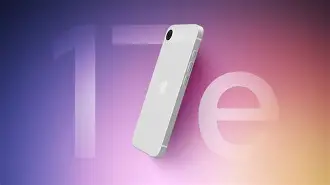
First impressions matter and the 17E feels unmistakably Apple: clean lines, matte finish on the back, rounded edges that sit well in hand. I chose the mid-tone color and appreciated that the aluminum frame makes it lighter than the Pro models. In my experience the lighter weight is a genuine benefit — after hours of holding it for reading or video calls it didn't strain my hand.
That said, the materials are where you notice the trade-offs. The aluminum back and frame are prone to micro-scratches if you toss the phone into a bag with keys, so I started using a slim case within the first week. I also noticed fingerprints on the finish more than on the frosted glass of higher-end models. These are minor annoyances, but they matter if you prefer a pristine look without a case.
Display: Bright, sharp, but not bleeding-edge
The 17E's display is bright and punchy. I used it extensively outdoors and found that visibility in sunlight was generally good — I could read emails and navigate maps easily during a sunny commute. Colors are vivid without being oversaturated, which I appreciate for photos. The panel offers smooth scrolling for everyday tasks, but you can tell it's not quite as fluid as the high-refresh Pro displays when you're animating between apps or playing fast-paced games.
One thing I found was that the adaptive refresh behavior can be inconsistent across apps: some third-party apps stay at a lower refresh rate, which I noticed as slightly less fluid motion compared to Apple's native apps. For most people this won't be a dealbreaker, but it was something I observed over three months of mixed usage.
Performance: Snappy for daily use, modest limits for heavy tasks
In my day-to-day, the iPhone 17E felt snappy. App launches are quick, multitasking is solid, and I haven't encountered any app crashes or stutters during regular use like browsing, social apps, video calls, and mail. I did install some heavier apps — mobile photo editors and a few games — and while the 17E handled them well at moderate settings, you can tell it isn't targeted at peak-performance gaming or sustained high-load tasks in the way the Pro phones are.
Thermals are decent; in my testing the device warms under prolonged gaming or long camera recording, but never uncomfortably so. If you're someone who regularly edits 4K video on-device or runs multiple high-intensity background tasks, you'll notice the 17E reaching its limits faster than a Pro model.
Battery life: Reliable for a full day, excellent on light days
Battery life is one area where I was pleasantly surprised. On a typical workday with mixed use — messaging, emails, 45–75 minutes of streaming/podcast listening, photos, and navigation — I routinely finished the day with 25–40% remaining. On lighter days I saw two full days with careful screen time management.
Shop the latest Mobile Phones picks on Amazon.
Shop Amazon →Charging is standard: fast enough to be practical, but not the hyper-fast speeds some Android phones advertise. I found overnight charging to be the smoothest routine, charging to full while I slept and occasionally topping up during the day when I knew I'd be out late. The device supports wireless charging, which I used occasionally; it's convenient for my desk setup, though slower than wired.
Camera: Great for everyday snaps; not a professional kit
The camera system on the 17E is one of the reasons I bought it. It produces reliably good images in daylight — sharp details, pleasant colors, and excellent dynamic range in typical scenes. I found the camera particularly strong for quick snaps: photos of my dog in the park, food, and city shots came out consistently well with minimal fuss.
Low-light performance is competent but not class-leading. Night mode helps, but you'll notice more noise and softer details compared to higher-end models with larger sensors or more advanced optics. The ultrawide lens is useful and surprisingly distortion-free for group shots and landscapes; however, the telephoto reach is limited (if present at all in this model), so I often had to rely on digital zoom for distant subjects, which impacts detail.
Video recording is solid for casual shooting. Stabilization works well for handheld clips and social media content. Pro-level creators should expect to do post-processing, but for family videos and travel clips the 17E delivers dependable results.
Software and ecosystem: Smooth, with Apple's familiar strengths
Running iOS felt familiar and polished. I appreciated the smooth integration with my laptop and tablet: Handoff, AirDrop, and Continuity Camera (I used it to take quick desk photos for work) all worked exactly as advertised. iOS updates arrived promptly, and I like knowing this device will get OS support for several years.
One part of the software I noticed was Apple's conservative stance on some customizations. I was occasionally frustrated that certain system behaviors could not be altered as freely as on Android — for example, default app bindings and deep UI theming. If you like to tinker extensively, that can be limiting; if you prefer a curated, reliable experience, it's a benefit.
Durability and day-to-day resilience
After three months the phone shows the usual light wear: tiny scuffs on the frame, a couple of micro-scratches on the back where it contacted a zipper in my backpack before I started using a case. The screen has remained scratch-free because I applied a tempered glass protector the first day. I tested water resistance by using it in light rain and washing hands with it in my pocket and had no issues — but I didn't subject it to extreme conditions.
I did drop it once (onto concrete) and the front glass survived with a hairline chip near the corner; that was a bit worrying, and I immediately ordered a protective case. The practical takeaway for me was: even though the phone feels well-built, it benefits from a case.
Connectivity, audio, and extras
Wireless connectivity (5G and Wi‑Fi) was reliable across my usual spots. Calls held up well even in congested LTE areas, and I rarely noticed dropped connections. Bluetooth pairing with my car and headphones was seamless.
Looking for the best Mobile Phones deals on Amazon?
Browse Now →Audio through the speakers is surprisingly good for media playback — wide and loud enough for podcasts or cooking videos — but it lacks the full-bodied bass you get from larger phones or dedicated speakers. The haptic feedback is precise and pleasant; I particularly liked how subtle vibrations make notifications feel less intrusive.
Real-world daily impressions
After three months I found myself appreciating the 17E for its balance. It isn't the absolute best at any one thing, but it's consistently good across the board. I enjoy using it for everyday photography, and it handles work tasks without complaint. My frustrations were mostly about minor build quality and the limits on heavy creative workflows. The experience is what I expected from a mid-range "E" variant: practical, polished, but intentionally not the flagship showcase.
Comparison: iPhone 17E vs iPhone 17 Pro vs Pixel 8a
| Feature | iPhone 17E (my unit) | iPhone 17 Pro (comparison) | Google Pixel 8a (comparison) |
|---|---|---|---|
| Design | Aluminum frame, lighter, more prone to micro-scratches | Stainless/ceramic finish, more premium and heavier | Matte plastic/glass blend, lightweight and grippy |
| Display | Bright, smooth for most tasks, lower max refresh than Pro | Higher refresh, brighter peak, better for gaming | Good OLED, vibrant but smaller in size |
| Performance | Snappy for daily use; modest under sustained heavy load | Faster sustained performance for pro workflows | Competitive for apps; slightly behind in raw GPU tasks |
| Camera | Great everyday photos; limited telephoto reach | Superior sensors, better low-light and zoom | Excellent computational photography, sometimes more natural tones |
| Battery | Reliable all-day battery; great on light days | Comparable or slightly better with optimization | Good battery life and generally efficient |
| Value | Balanced price-to-features for mainstream users | Premium price aimed at power users | Strong value with Google features |
Pros & Cons
- Pros:
- Comfortable, lightweight design that feels great in hand
- Consistently good camera for everyday shooting
- Reliable battery life that covers a full day with mixed use
- Polished iOS experience and tight ecosystem integration
- Affordable relative to Apple's Pro-tier phones while keeping core features
- Cons:
- Aluminum finish picks up micro-scratches; I recommend a case
- Not the best choice for sustained heavy performance tasks
- Limited optical zoom compared to Pro models
- Occasional inconsistencies with adaptive refresh in third-party apps
- Charging speeds are adequate but not class-leading
Buying Guide: Is the iPhone 17E right for you?
In my experience, the iPhone 17E is best suited for someone who wants a modern iPhone experience without paying for Pro-level extras they won't use. Here are practical points to help you decide:
Who should buy it
- If you value a reliable camera for everyday life rather than professional-level photography.
- If you prefer a lighter phone that's easier to carry and hold for long periods.
- If you're invested in the Apple ecosystem (Mac, iPad, Apple Watch) and appreciate seamless integration.
- If you want iPhone software updates and security support without the Pro price tag.
Who should consider another phone
- If you need the best possible camera, especially for low light and long-range zoom, consider the Pro model.
- If you do intensive on-device editing, gaming at the highest settings, or professional video work, a Pro-tier device may be worth the investment.
- If you prioritize extreme durability without a case (for example, frequent drops), look at phones with stronger glass or metal constructions and read real-life drop test reports.
Which configuration to choose
When I bought my unit I opted for the middle storage tier — it felt like the best balance for my needs: plenty of space for photos and apps, and room for a few large projects when needed. If you store large video files regularly, consider the higher capacity. Otherwise, cloud backups paired with the mid-tier storage typically work well.
Accessories and setup tips
- Buy a slim protective case early — I started using one after the first week and it preserved the finish.
- Apply a tempered glass screen protector to avoid chips or scratches from accidental drops.
- Enable automatic backups and optimize iCloud settings to avoid storage headaches later.
- If you care about audio quality, pair with higher-quality wireless headphones; the built-in speakers are fine but not exceptional for music lovers.
Final thoughts and conclusion
After three months with the iPhone 17E, my overall impression is that it's a very sensible phone for most people. In my day-to-day life it delivered a reliable, polished experience: the camera handled everything I threw at it for casual use, the battery rarely left me stranded, and iOS continuity features genuinely made tasks easier across my devices. I enjoyed its lighter feel and predictable behavior.
At the same time, the 17E is a product of deliberate trade-offs. If you chase the best possible camera, the smoothest high-refresh display, or the fastest sustained performance, you'll find reasons to upgrade to a Pro. For me, though, those differences weren't worth the extra cost — the 17E struck the right balance between price, portability, and practicality.
In my experience, if you want a dependable iPhone that covers the vast majority of modern smartphone needs without stretching to the top-tier price, the iPhone 17E is a compelling choice. It won't wow the tech reviewers with headline specs, but it will serve as a capable, pleasant companion every day — and that's what I was looking for when I bought it.